As a board member for the Center For Living, Dr. Kraus extends his time outside of the office to those struggling with opioid addiction and eating disorders and is passionate about guiding them toward overcoming their addictions. Oral health is the first line of defense in the gateway to general health. Those battling addictions such as bulimia, anorexia and opioid addiction are unique cases that Dr. Kraus has experience in treating dentally. With the opioid epidemic being prevalent in today’s society, it is important to teach how addiction is connected to oral health. Opioid addiction can lead to full mouth degeneration, also known as "meth mouth," while those struggling with eating disorders experience enamel erosion. Dr. Kraus dedicates his time to giving lectures on how addiction relates to oral health and feels exceptionally strong about treating these patients- as diagnosing their oral health issues will lead them one step closer to optimal health.
It is not uncommon for patients to feel uncomfortable when coming in, but there is no need to worry. If you have extreme dental phobia, we work closely with an anesthesiologist to ensure you are as comfortable as possible and accommodate your needs through sedation dentistry.
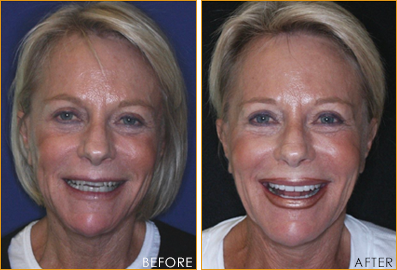
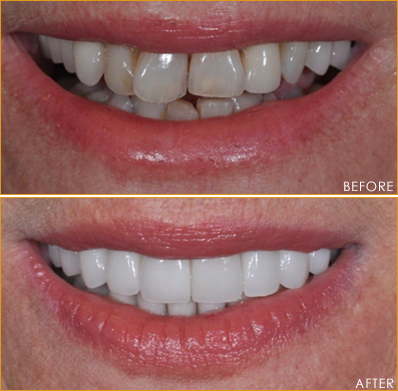
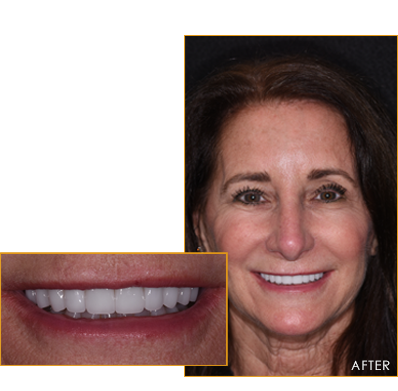
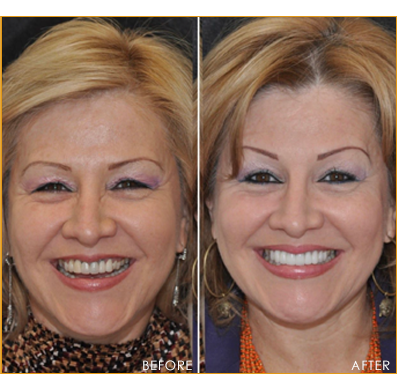
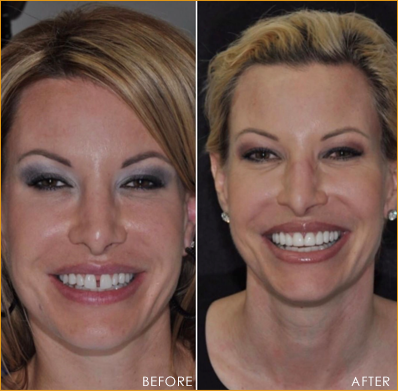
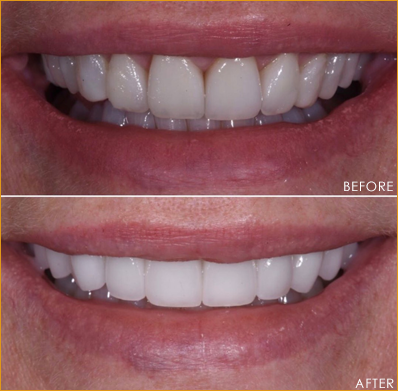
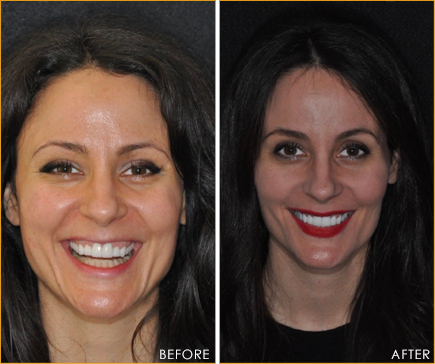
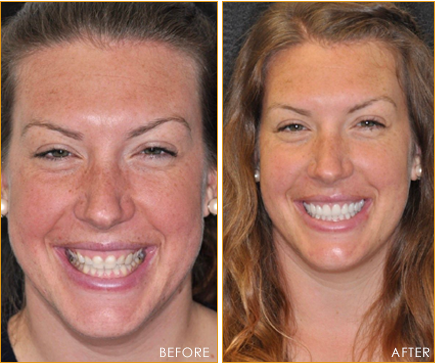
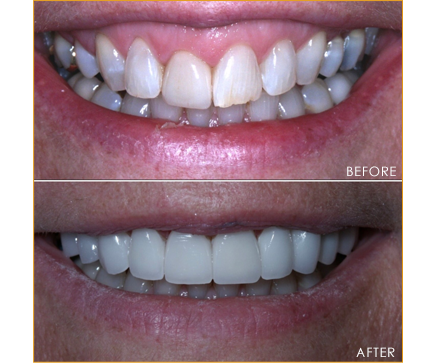
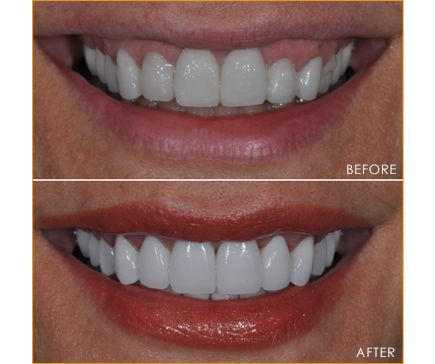
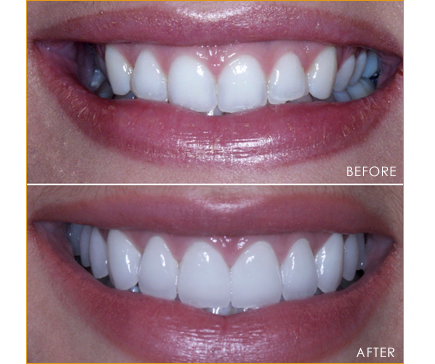
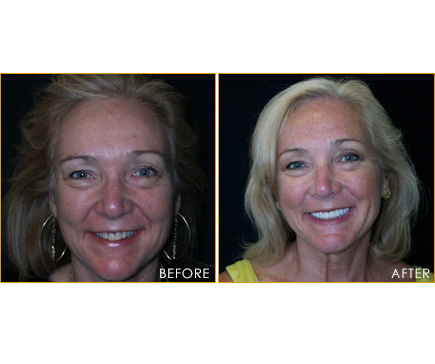
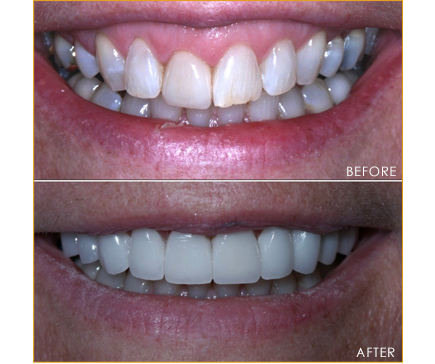
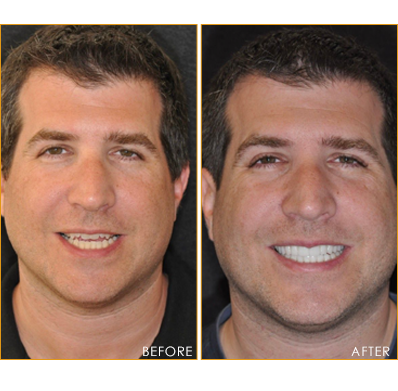
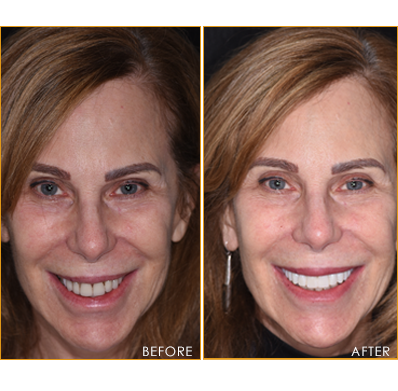
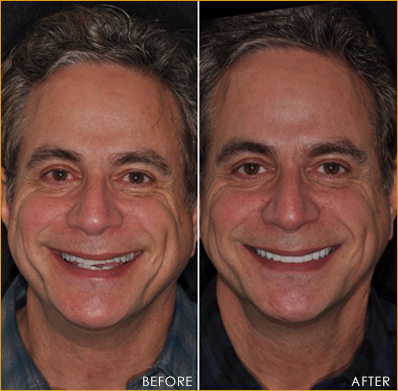
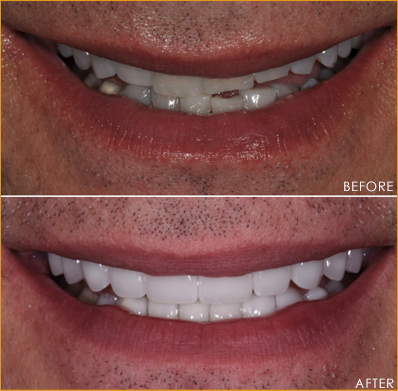
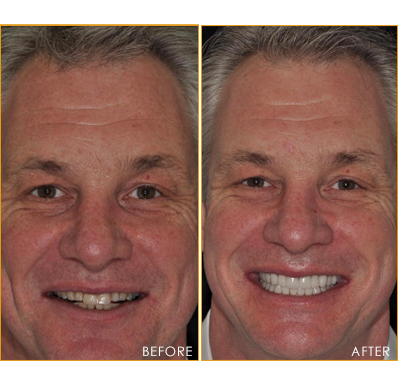
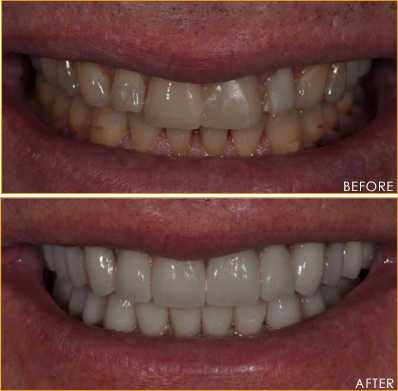
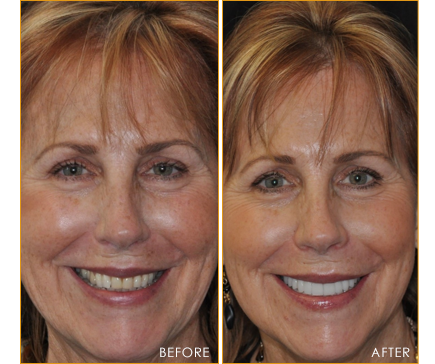
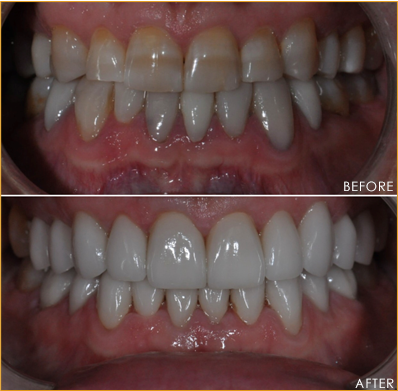
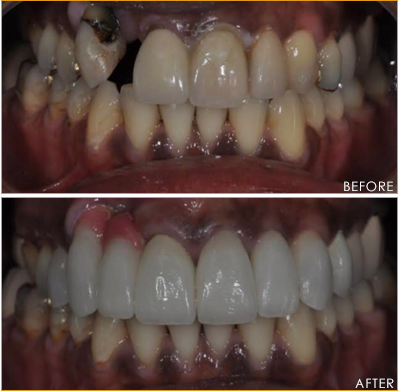
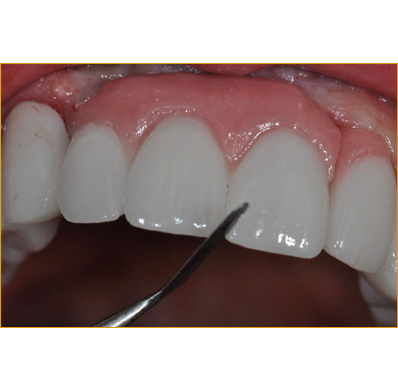
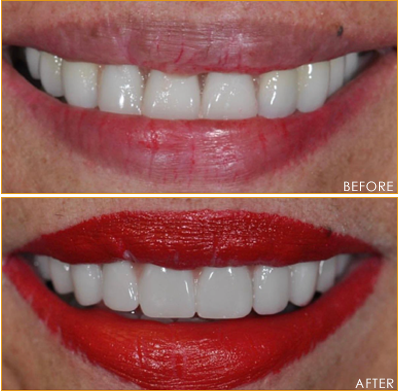
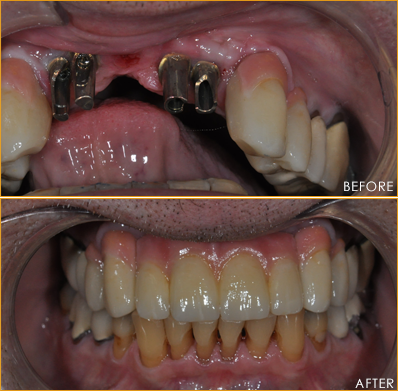
Every year, Dr. Kraus chooses patients who are in need of his services, but can’t afford them. This year, Esther was chosen to receive a smile makeover involving veneers, crowns and Invisalign. Dr. Kraus was moved by her everyday goodness and kind heart and felt the need to give back. After tirelessly addressing other health issues that took precedence in her life, Dr. Kraus wanted to provide her with a positive medical experience. Heartwarming gratitude always outweighs financial compensation for Dr. Kraus.





















 Researchers have made the connection that being in good oral health is the protection necessary in avoiding long term health problems. Gum disease, heart disease, stroke and even premature births can be linked to poor oral health. The gums and teeth are directly connected to the bloodstream and by caring for them properly you can potentially avoid these health issues.